
Porcelain Veneers in Wilmslow
A complete redesign of your smile, planned in detail before a single tooth is touched. And an honest conversation about whether you need them at all.
Porcelain veneers are thin, custom made shells bonded to the front surface of the teeth to change their shape, colour, spacing and symmetry. They are the most durable cosmetic option, typically lasting ten to fifteen years or longer, and they resist staining far better than composite. Veneers require permanent preparation of the tooth surface, so the decision is not reversible. At Croft Dental on Manchester Road in Wilmslow, porcelain veneers start from £750 per tooth and are designed and previewed before treatment begins by Dr Natasja Kashyap, who holds an MSc in Fixed and Removable Prosthodontics.
So, do you actually need veneers?
It is an odd question to open a veneers page with, and it is the right one.
A good number of people arrive here having decided they want veneers before they have decided what is actually wrong. They have seen a result they liked, on somebody at work or somebody on Instagram, and veneers is the word attached to it.
Sometimes they are exactly right. Often they are not.
Because veneers are permanent, and a lot of what people want from them can be achieved without touching the tooth at all. Straightening the teeth into the right position first. Whitening to establish the shade. Composite bonding to refine the shape. Three reversible treatments that between them get a great many patients precisely where they wanted to be.
Dr Natasja asks this question on every veneer case, and where a less invasive route would achieve the same result, she says so. Even where the alternative is a considerably smaller case.
That said, for the right patient veneers are unmatched.
A porcelain veneer is a thin shell of dental porcelain, custom made in a laboratory and bonded permanently to the front surface of a tooth. Think of it as a new front face. The shape, width, length, colour and surface texture are all designed rather than inherited, which is why veneers can change a smile more comprehensively than anything else.
Porcelain is used because it behaves like enamel. It reflects light in a similar way, it resists staining, and it is strong enough to withstand normal biting forces. A well made porcelain veneer is genuinely difficult to identify as anything other than a natural tooth.
Where whitening will not touch the discolouration, where wear is extensive, or where the whole smile needs designing as a unit, nothing else does the job as well.
What preparation means, and why it matters
To fit a veneer, a thin layer of the natural tooth surface is removed, usually around half a millimetre. That layer does not grow back.
Once a tooth has been prepared, it will always need to be covered by something. If a veneer chips or fails in fifteen years, it is replaced with another veneer or a crown. The tooth does not return to its original state.
We tell patients this before they commit, every time.
That is not us being discouraging. Veneers are an excellent treatment and a great many patients are delighted with them for decades. But it is a permanent decision, and anybody selling it as anything else is not doing their job properly.
Minimal preparation veneers
In some cases, where the teeth are small, worn or slightly recessed, veneers can be fitted with very little or occasionally no preparation. Whether this is possible depends entirely on your existing tooth position, and Dr Natasja will tell you honestly at your consultation. It cannot be promised in advance.
If reversibility matters to you
Composite bonding achieves a similar visual result in many cases without touching the tooth structure. It lasts five to seven years rather than ten to fifteen, and it stains more readily, but your own teeth remain intact underneath.
What porcelain veneers can address
- Discolouration that will not whiten: internal staining, tetracycline staining and darkened teeth following root canal treatment do not respond to whitening gel. Veneers cover them entirely.
- Chipped, worn or damaged teeth: where wear is extensive across several teeth, veneers rebuild them to the right proportions.
- Gaps between teeth: veneers close gaps by widening the teeth, though where gaps are substantial, alignment first usually gives a better result.
- Irregular shape or size: small, narrow, peg shaped or misshapen teeth are rebuilt to a proportion that suits your face.
- Mild crowding or rotation: veneers can disguise mild irregularity without moving teeth. There are limits, and significant crowding is better treated with alignment first.
- Overall smile design: where several of the above apply together, veneers across the front six or eight teeth allow the whole smile to be designed as a unit.
What veneers cannot do
- Correct a bite problem
- Straighten significantly crooked teeth
- Replace a missing tooth
- Fix gum disease or decay, both of which must be treated beforehand
Am I a suitable candidate?
Usually suitable if you
- Have healthy teeth and gums, or issues that can be treated first
- Have enough natural tooth structure to support a veneer
- Want a lasting change rather than a temporary improvement
- Are comfortable with a permanent alteration to the tooth surface
- Have a stable bite, or one that can be managed
We will need to assess further if you
- Grind or clench your teeth, since porcelain can fracture under heavy force. A nightguard is generally required, and in some cases veneers are not advisable at all
- Have an edge to edge or heavily worn bite, which places excessive load on the veneer edges
- Have significant crowding or rotation, where alignment first would give a better and more conservative result
- Have active gum disease or decay, which must be treated before any cosmetic work
- Have very little enamel remaining, since veneers bond best to enamel rather than dentine
Would something else suit you better?
This is the question we ask on every veneer case, and it is worth repeating here rather than only at the top of the page.
A substantial number of patients who arrive asking for veneers achieve the result they want through Invisalign, whitening and bonding instead. Aligning the teeth into the right position first frequently means fewer veneers are needed, or none at all.
Dr Natasja will tell you honestly which route she would recommend and why. If that means recommending a less expensive treatment, so be it.
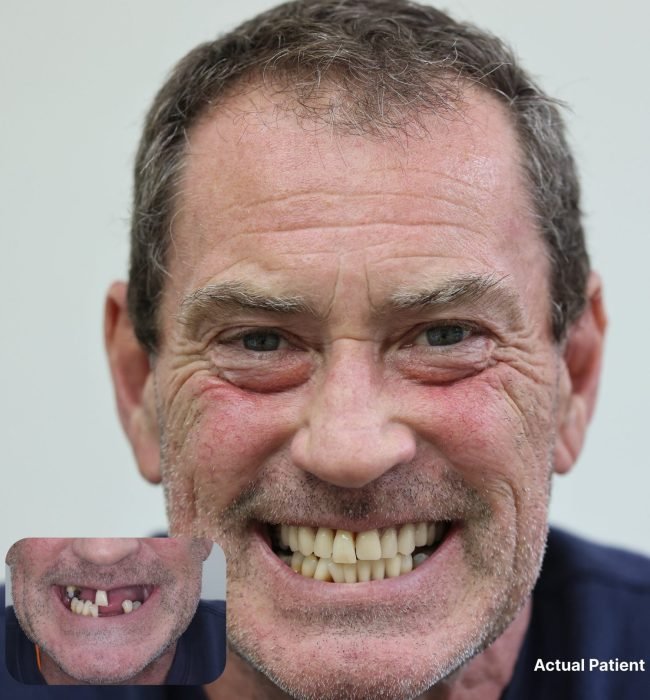
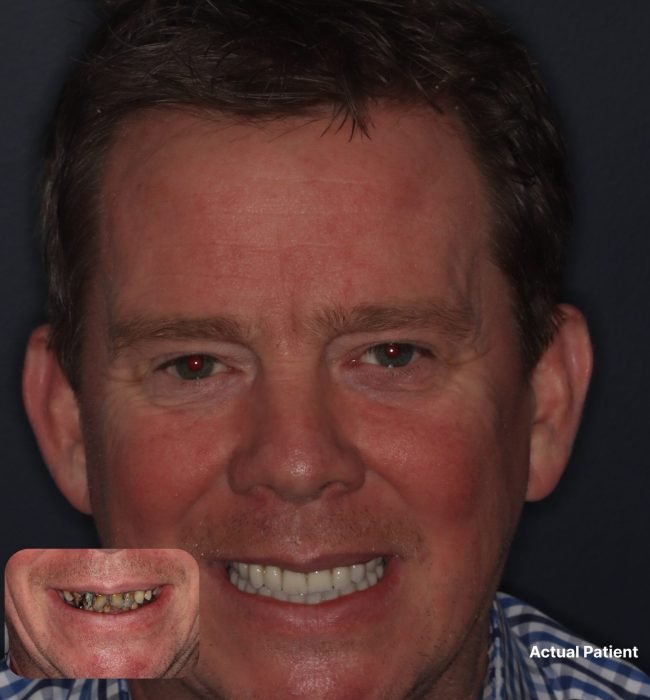
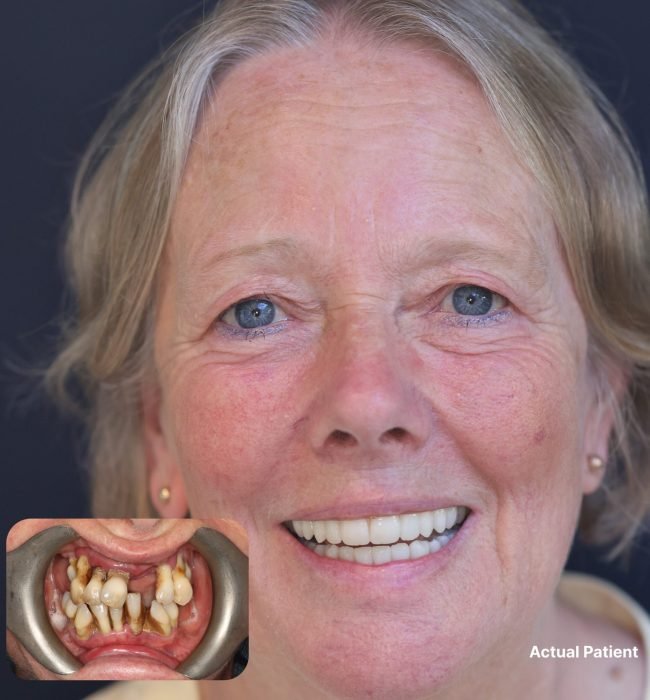
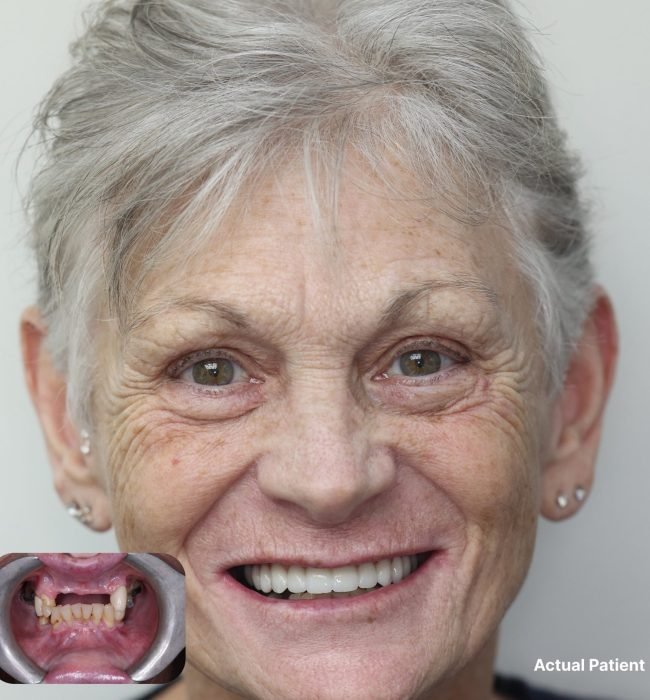
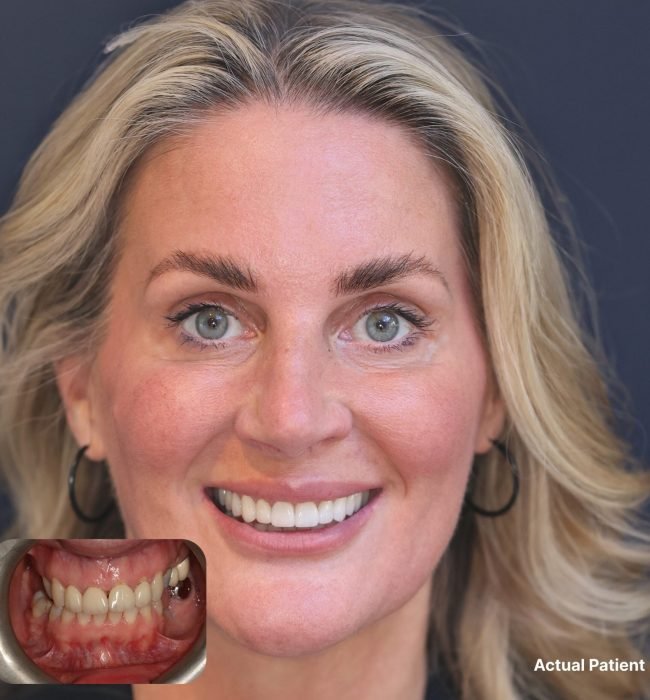
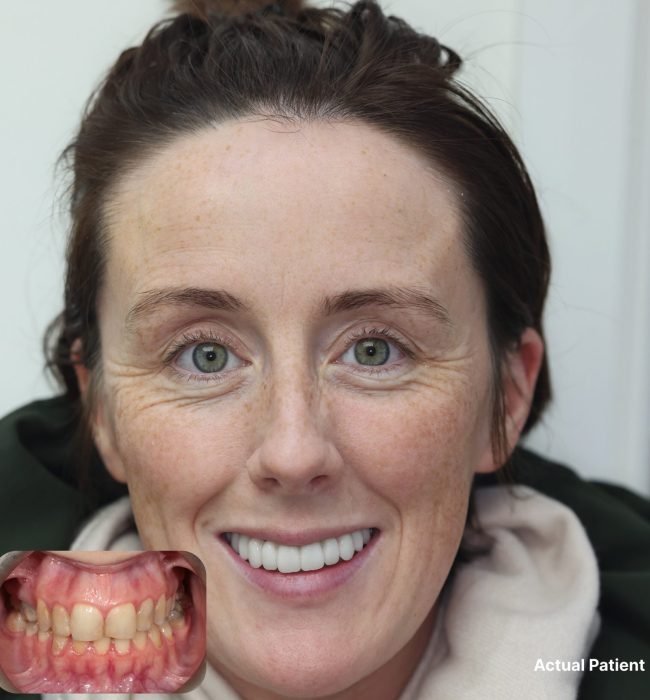
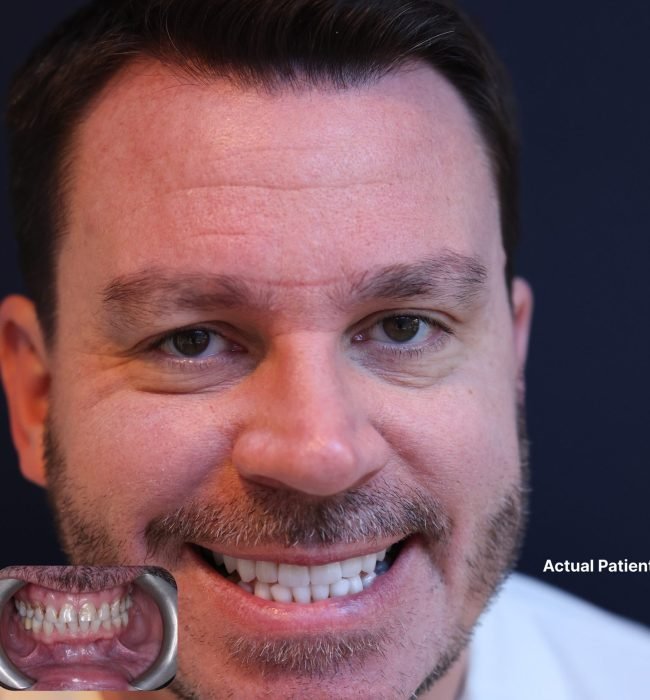
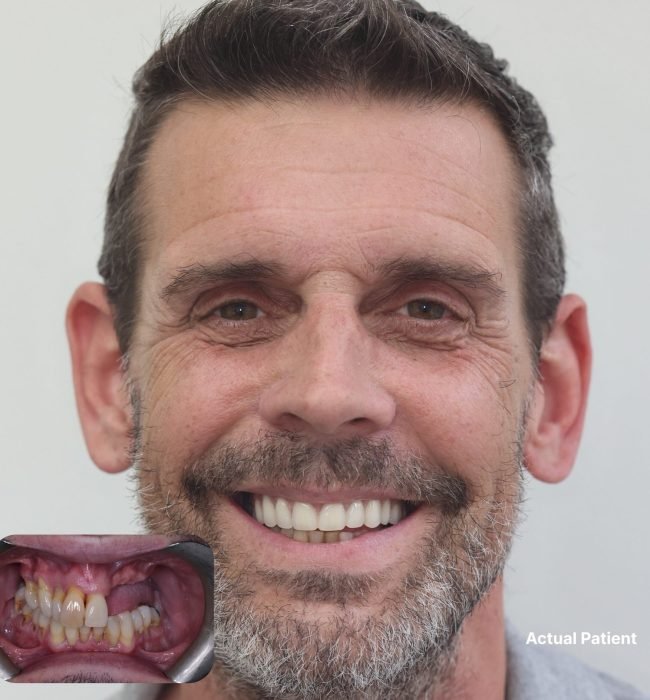
- Real Patient Results
Thousands of Smiles Transformed
Explore real patient results demonstrating the life-changing impact of expert implant dentistry at Croft Dental. From single tooth restorations to comprehensive full-mouth rehabilitations, our tailored treatment plans restore both function and natural aesthetics.
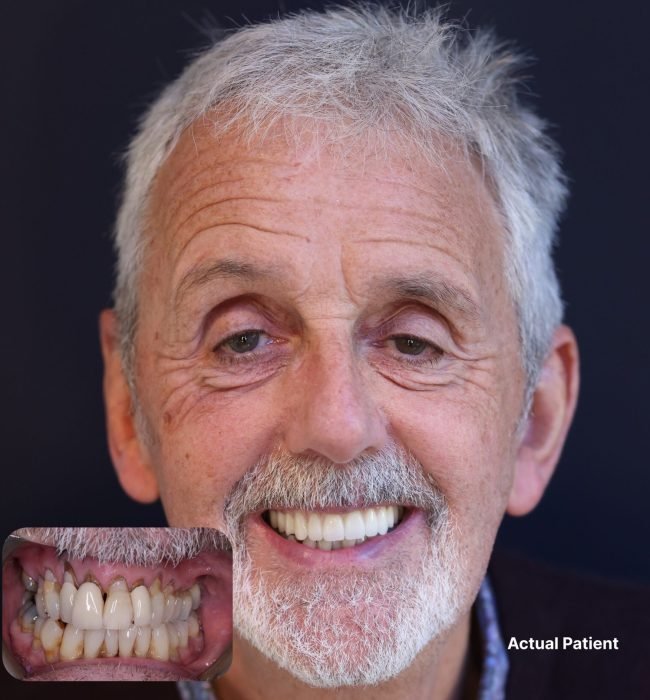
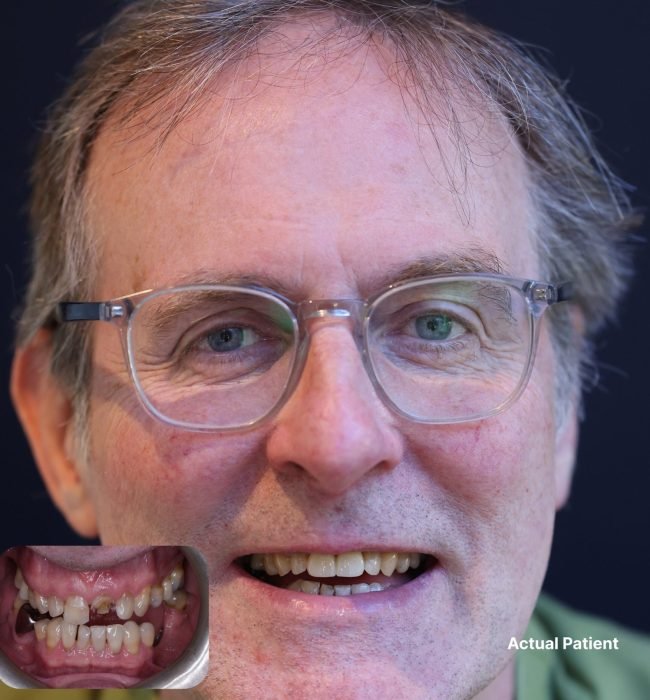
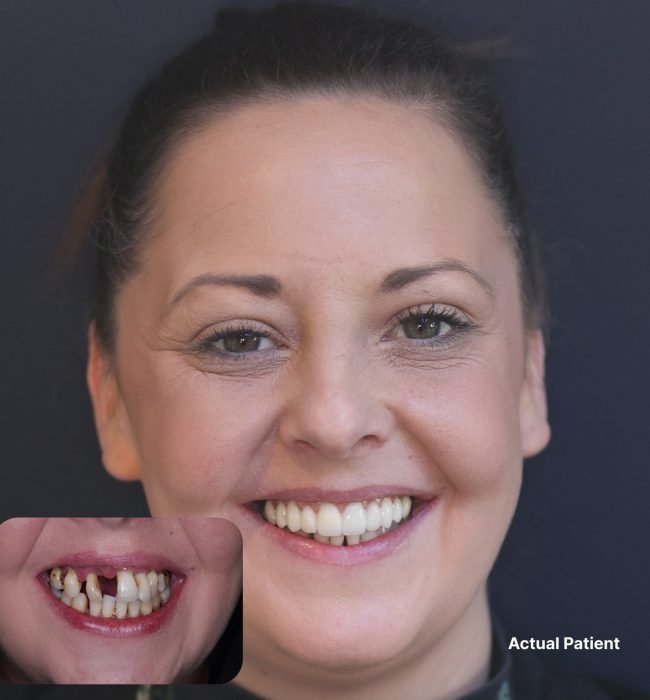
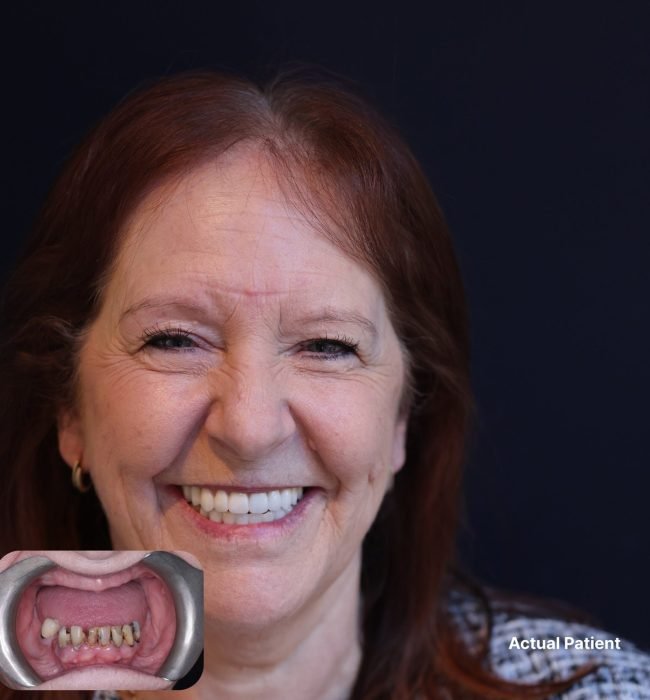
Be our Next Success Story!
All photographs show patients treated at Croft Dental and are published with their consent. Results shown are individual results.
Your treatment journey
-
1Step one: your consultationAround 45 minutes. Dr Natasja examines your teeth, gums and bite, and asks what you want to change. Photographs and digital scans are taken.
She will tell you whether veneers are the right answer, how many would be needed, and whether alignment or whitening should come first. -
2Step two: designThis is the stage that determines the result.
Your new smile is designed before any treatment begins, using digital smile design or a wax model depending on the case. Shape, length, width, proportion and shade are all decided at this point.
You see the design and can change it. Nothing is left for you to discover at the fitting appointment. -
3Step three: your written planNumber of veneers, cost per veneer, total cost, appointment schedule and finance options. Nothing proceeds until you have agreed.
-
4Step four: any preparatory treatmentGum disease, decay and bite problems are addressed first. Where whitening is part of the plan, it is completed beforehand so the veneers can be matched to your final tooth shade. Where alignment is recommended, Invisalign is completed before veneers are prepared.
-
5Step five: preparation appointmentUnder local anaesthetic, a thin layer of the tooth surface is removed. Impressions or digital scans are taken and sent to the laboratory.
Temporary veneers are fitted, so you are never without front teeth. These also let you live with the new shape for a couple of weeks before the final veneers are made, which is more useful than it sounds. -
6Step six: the laboratory stageYour veneers are made by a dental technician, typically over two to three weeks. Shade and characterisation are specified in detail.
-
7Step seven: fitting appointmentThe temporaries are removed and the veneers tried in before being bonded, so shade and fit can be checked while there is still opportunity to adjust.
Once you and Dr Natasja are happy, they are bonded permanently and the bite is checked and refined. -
8Step eight: review and aftercareA review appointment follows to check comfort, bite and gum health. We will explain how to care for them, including whether a nightguard is recommended.
How long porcelain veneers last
Porcelain veneers typically last ten to fifteen years, and frequently longer when well maintained.
What affects their lifespan:
- Grinding or clenching, which is the most common cause of veneer fracture
- Biting nails, pens or hard objects
- Gum recession over time, which can expose the veneer margin
- Decay in the underlying tooth, which is still susceptible at the margins
- Trauma
Looking after them
Brush twice daily and clean between the teeth. Veneer margins sit at the gum line and need cleaning properly, since decay beneath a veneer is the most common reason one needs replacing.
Attend regular check ups and hygiene appointments. Wear a nightguard if you grind.
Porcelain does not stain the way composite does, though the natural tooth around and behind it can, and the bonding margin can discolour over many years.
When they need replacing
A veneer that chips can sometimes be repaired, though replacement is usually the better answer. Because the tooth beneath is prepared, replacement is with another veneer or a crown rather than a return to the natural tooth.
Compared with composite
Composite lasts around five to seven years, costs considerably less, and can usually be placed without preparation. Porcelain lasts two to three times as long, looks better for longer, and resists staining, but costs more and is permanent.
Pricing and fees
Treatment | From |
Consultation | Free |
Porcelain veneer, per tooth | £750 |
Four porcelain veneers | £3,000 |
Six porcelain veneers | £4,500 |
Composite veneer, per tooth | £395 |
Composite bonding, per tooth | £325 |
Nightguard, where recommended | £[X] |
Veneers are priced per tooth. Most cases involve the front six or eight upper teeth, since these are the teeth visible when smiling.
Where to find us
Croft Dental sits at 64 Manchester Road, on the Handforth side of Wilmslow town centre. Coming up from The Carrs, we are north east along Manchester Road. If you reach Handforth Dean, you have gone too far.
We are around ten minutes on foot from Wilmslow station, five minutes from Handforth, and roughly ten minutes from Alderley Edge up the A34.
Patients come to us for veneers from Alderley Edge, Handforth, Styal, Prestbury, Mottram St Andrew, Knutsford, Macclesfield, Poynton, Bramhall, Cheadle, Hale and Altrincham.
Veneer treatment involves two or three appointments across four to six weeks, which we will schedule around what works for you.
Not sure where to start? Give us a ring.
Make an Enquiry
- DENTIST
Meet your cosmetic dentist
Dr Natasja Kashyap
BDS · MSc Fixed and Removable Prosthodontics · MFDS RCS Edinburgh · Platinum Invisalign Provider · GDC 150054
Dr Natasja leads cosmetic and restorative dentistry at Croft Dental. Her Master’s in Prosthodontics covers the design and construction of veneers, crowns and full mouth restorations, which is precisely the technical foundation veneer work depends on.
Veneers are as much an engineering problem as an aesthetic one. A beautiful veneer that fails in three years has solved nothing, and the difference between the two sits in the preparation, the design and the fit rather than in the porcelain itself.
Because she is also a Platinum Invisalign Provider, she is unusually well placed to advise where alignment first would produce a better and more conservative result than veneers alone.
Her approach to design is deliberately restrained. Uniform brightness and identical shapes are what make veneers obvious. She designs variation in shape, translucency and shade, so the result reads as natural teeth.
- Finance
Spread the cost of porcelain veneers with finance
We offer finance on cosmetic treatment through Tabeo so the cost can be spread across monthly payments. Interest-free options are available with no arrangement fees or hidden charges.
Applications take a few minutes and you will know the outcome quickly. We will show you exactly what your treatment would cost per month at your consultation.
- REGISTRATION
We're Welcoming New Patients
We warmly welcome new patients to our practice. If it’s been a while since your last visit, if dental visits make you feel anxious, if you’ve recently moved to Wilmslow, or if you’re simply seeking a team that truly listens to your concerns, you’ll find a supportive and gentle environment here with us.
During your first appointment, we take the time to conduct a complete evaluation of your teeth, gums, and overall oral health. We will listen carefully to your goals, answer any questions, and collaboratively create a treatment plan tailored specifically to you.
"I have my smile back thanks to the skill of the team here. All in all, a very happy patient."
★★★★★ - Sarah F. | Croft Dental & Implant Clinic
- FAQs
Frequently asked questions
Porcelain veneers at Croft Dental start from £750 per tooth, so a case treating the front six teeth starts from £4,500. Composite veneers cost considerably less at £395 per tooth but last around five to seven years compared with ten to fifteen for porcelain. Patients receive a full written quote following consultation and design, and finance is available through Tabeo.
Porcelain veneers typically last ten to fifteen years and often longer with good maintenance. Lifespan is affected by grinding or clenching, biting hard objects, gum recession exposing the veneer margin, and decay developing in the underlying tooth. Regular check ups, good cleaning at the gum line and a nightguard where grinding is present all extend their life.
Porcelain veneers require a thin layer of the tooth surface, usually around half a millimetre, to be permanently removed so the veneer sits flush. The tooth is not destroyed, but it will always need to be covered by a veneer or crown afterwards. This makes veneers an irreversible treatment, which is why composite bonding is often recommended for patients who want a reversible option.
Tooth preparation for porcelain veneers is carried out under local anaesthetic, so the appointment itself is not painful. Some sensitivity to hot and cold is common in the period between preparation and fitting, while temporary veneers are worn, and this usually settles once the final veneers are bonded.
Most veneer cases involve the front six or eight upper teeth, since these are the teeth visible in a full smile. Some patients need only one or two, for example where a single tooth is discoloured or damaged. The number depends on how wide the smile is, which teeth show when smiling, and whether shade and shape can be matched to the untreated teeth.
Porcelain veneers last ten to fifteen years or longer, resist staining well and allow a more substantial change, but they permanently alter the tooth surface and cost more. Composite bonding is cheaper, usually requires no drilling, is reversible and can often be completed in one appointment, but typically lasts five to seven years and stains more readily. The right choice depends on the extent of change needed, budget and attitude to permanence.
Where whitening is planned, it should be completed before veneers are made, so the veneers can be matched to the final shade of the surrounding natural teeth. Porcelain does not respond to whitening gel, so veneers fitted before whitening will no longer match once the natural teeth are lightened.
Yes. At Croft Dental the intended result is designed before any treatment begins, using digital smile design or a wax model depending on the case, and the patient sees and approves the design first. Temporary veneers worn between preparation and fitting also allow the new shape to be tested for a couple of weeks before the final veneers are made.