
Composite Bonding in Wilmslow
Chips, gaps and uneven edges, usually sorted in a single afternoon. No drilling in most cases, and your own teeth stay intact underneath.
Composite bonding uses tooth coloured resin, sculpted by hand and bonded directly onto the tooth, to repair chips, close gaps, reshape uneven edges and improve the appearance of the front teeth. In most cases no drilling is required and no anaesthetic is needed, with many patients completing treatment in a single appointment. At Croft Dental on Manchester Road in Wilmslow, bonding starts from £325 per tooth and is carried out by Dr Natasja Kashyap, who holds an MSc in Fixed and Removable Prosthodontics. Bonding typically lasts five to seven years and is fully reversible, since the natural tooth beneath remains intact.
So, what is composite bonding?
Ask most people what bothers them about their teeth and they will point at one specific thing. A chipped corner from a hockey ball in 1998. The gap between the front two that was fine at twenty and less fine at forty. The one tooth that sits slightly shorter than the one beside it, which nobody else has ever noticed and which you notice in every single photograph.
It is rarely the whole smile. It is usually one small, specific, extremely annoying detail.
Composite bonding is the treatment built for exactly that.
Tooth coloured resin is applied directly to the tooth, shaped by hand, and hardened with a curing light. The material is the same composite used for white fillings, applied to a completely different purpose. Rather than filling a cavity, it is sculpted across the visible surface and edges of the tooth to change its shape, close a gap, rebuild a chip or improve the proportion.
It is built up in layers, shaped while soft, then set, trimmed and polished. The whole thing happens in the chair while you sit there, which is why most cases are finished in a single appointment.
And here is the part people are usually surprised by.
In most cases the tooth is not drilled. The natural tooth underneath is left entirely intact, which means the treatment is reversible. If you decide in ten years that you would rather have veneers, or you simply want the bonding taken off, your own teeth are still there.
That is a genuine difference from veneers, where the tooth surface is permanently prepared and there is no going back.
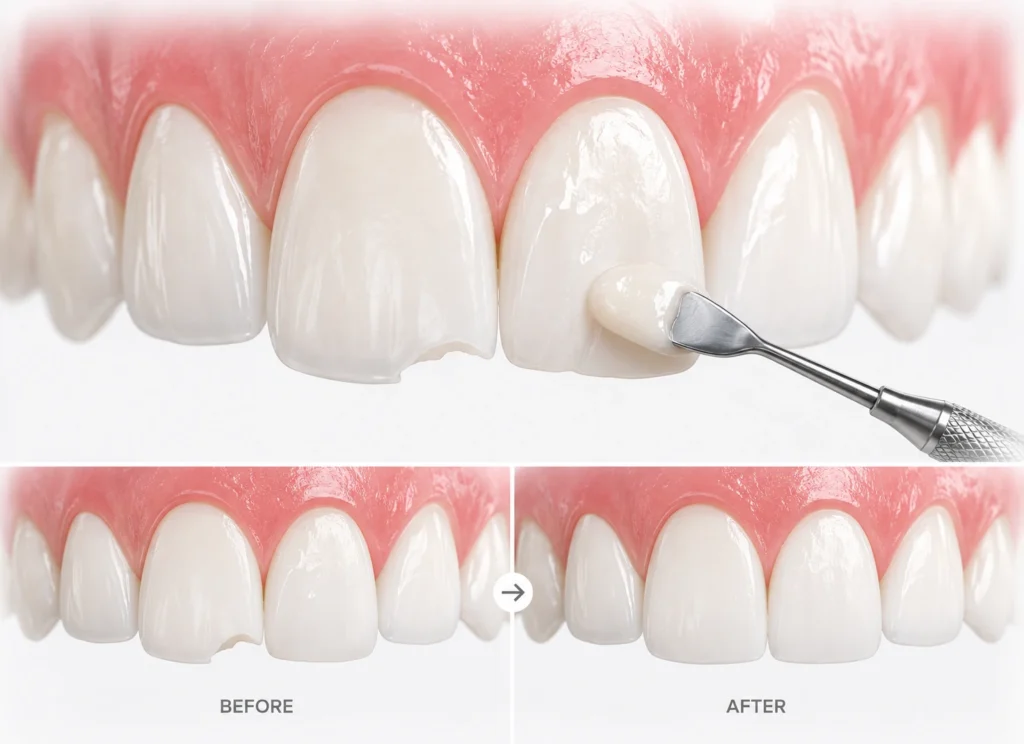
What composite bonding can address
- Chipped teeth: the most common reason patients come to us for bonding. A chipped front tooth is rebuilt so the edge matches the tooth beside it.
- Gaps between teeth: small to moderate gaps are closed by building out the adjacent surfaces. Larger gaps, or gaps caused by crowding elsewhere in the arch, are usually better addressed with Invisalign first.
- Uneven or worn edges: where teeth have worn unevenly, or one sits shorter than its neighbour, bonding restores proportion and symmetry.
- Small, peg shaped or narrow teeth: common with lateral incisors. Bonding builds the tooth out to a normal shape and width.
- Mild discolouration: where a single tooth is darker than the rest, or staining has not responded to whitening. Where all the teeth are discoloured, whitening first is usually the better route.
- Slightly crooked teeth: mild irregularity can be disguised, though this has limits. Bonding cannot move teeth, and building resin onto a significantly misaligned tooth tends to make it look bulky rather than straight.
What composite bonding cannot do
- Straighten teeth across the arch
- Correct an underlying bite problem
- Whiten teeth that are already bonded, since composite does not respond to whitening gel
- Replace a missing tooth
Am I a suitable candidate?
Most people wanting a cosmetic improvement to their front teeth are suitable. Bonding has a lower bar than most cosmetic treatments because it is minimally invasive.
Usually suitable if you
- Have chipped, worn, gapped or uneven front teeth
- Have healthy teeth and gums, or issues that can be treated first
- Want a cosmetic change that is reversible rather than permanent
- Are happy with the position of your teeth, or are having them aligned first
We will need to assess further if you
- Have active decay or gum disease, which must be treated before any cosmetic work
- Grind or clench your teeth, since bonding chips under heavy force and a nightguard would be recommended
- Have a heavy or edge to edge bite, which places more load on the bonded edges
- Are a heavy smoker, or drink a lot of coffee, tea or red wine, since composite absorbs staining over time
- Have significantly crooked teeth, where alignment first would give a far better result
If you are planning to whiten your teeth
Whiten first, then bond. Always in that order.
Composite does not lighten with whitening gel, so bonding placed beforehand will no longer match once the surrounding teeth are whitened. It is a genuinely common and expensive mistake, and we will always sequence it correctly.
- Real Patient Results
Thousands of Smiles Transformed
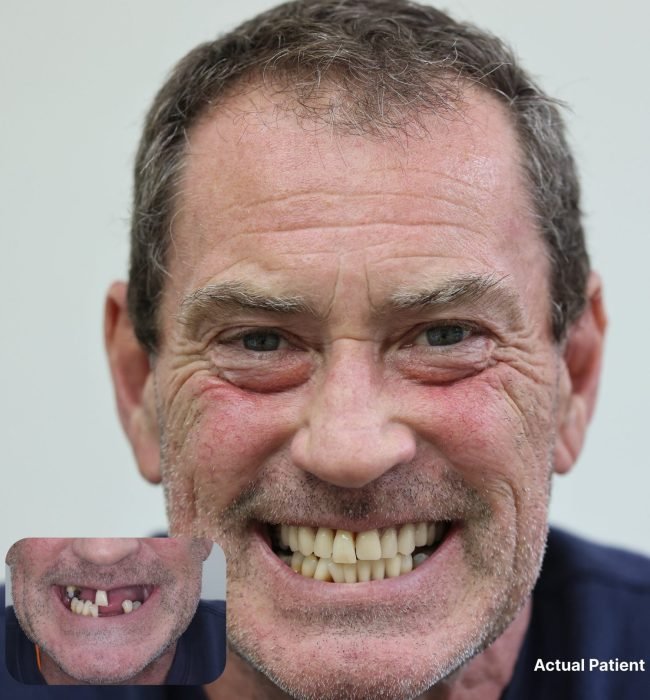
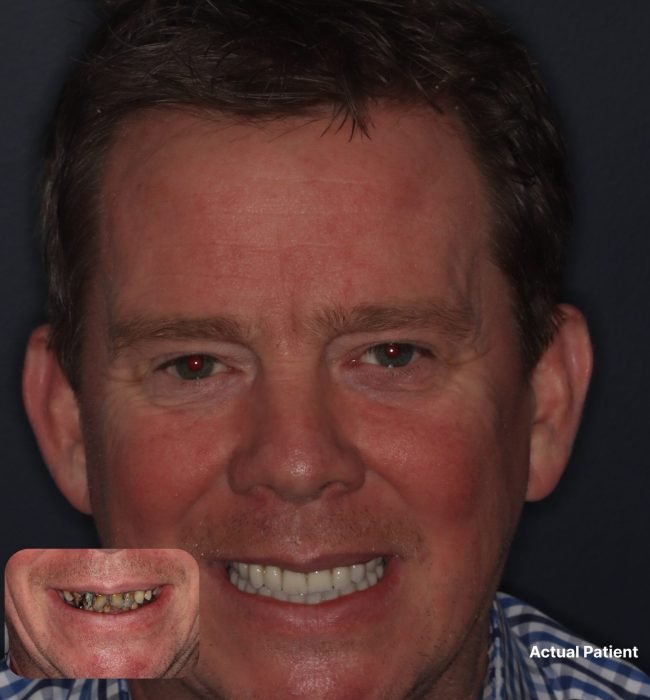
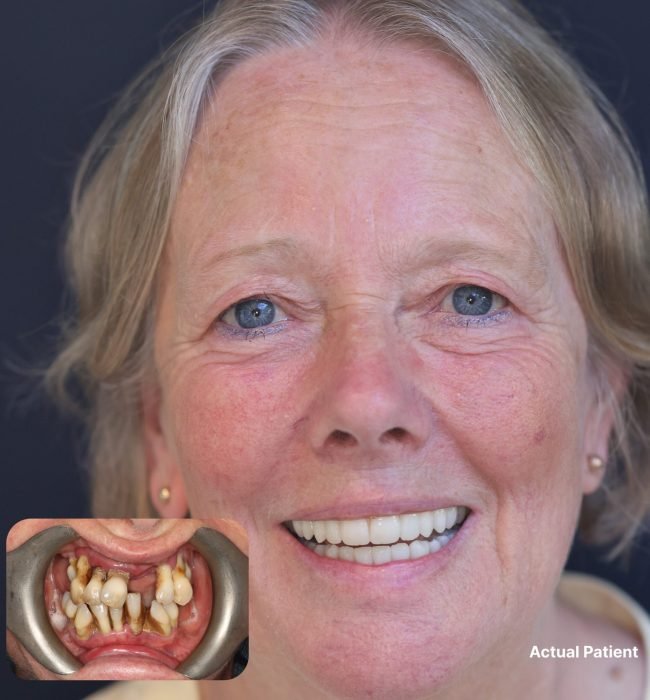
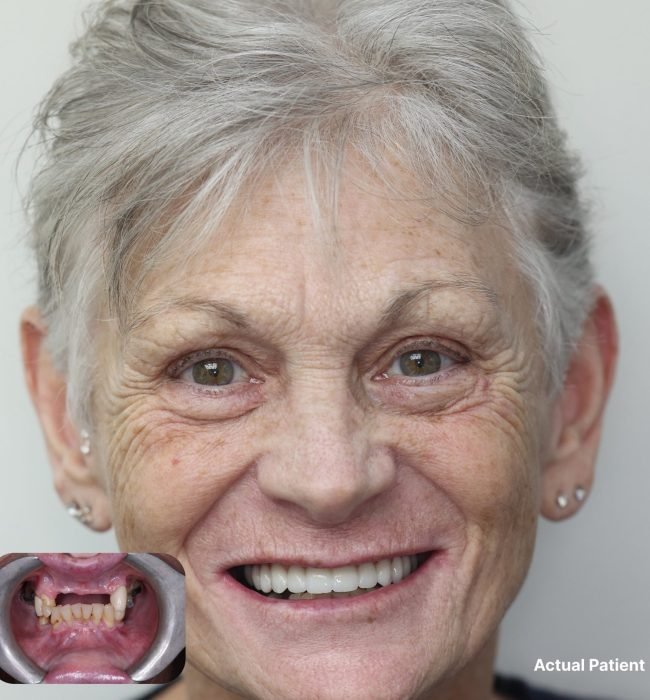
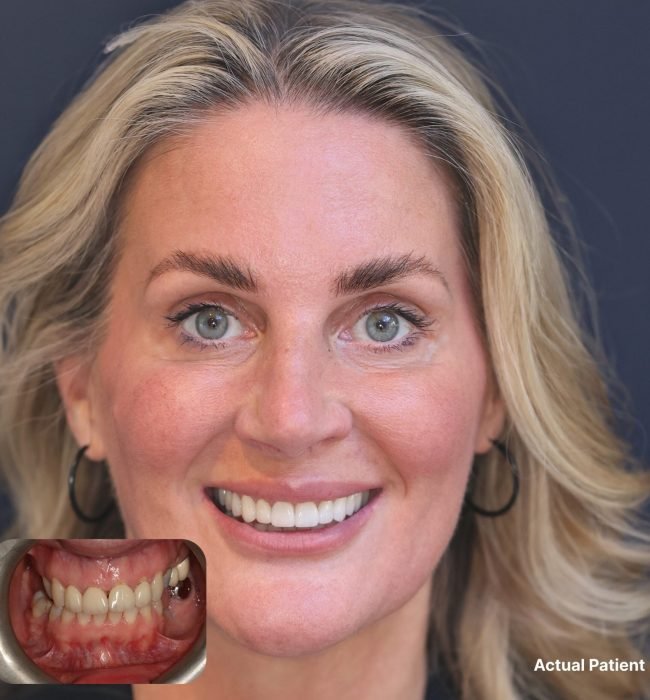
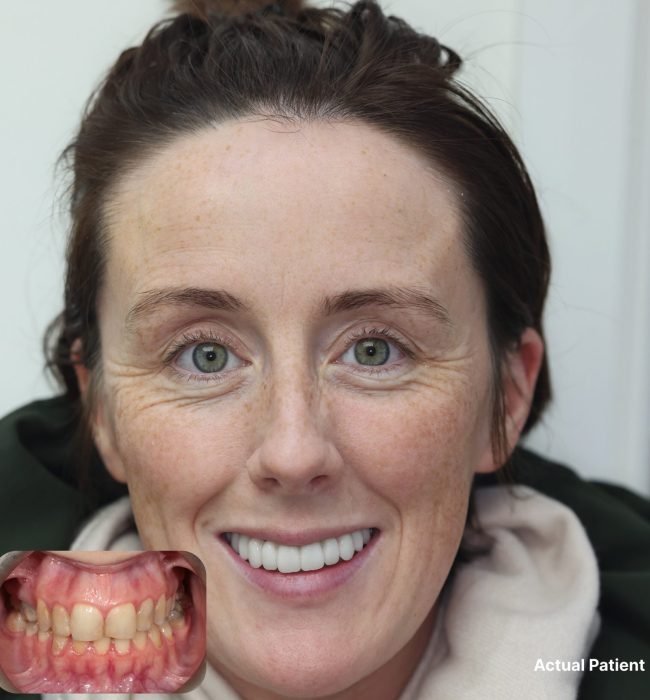
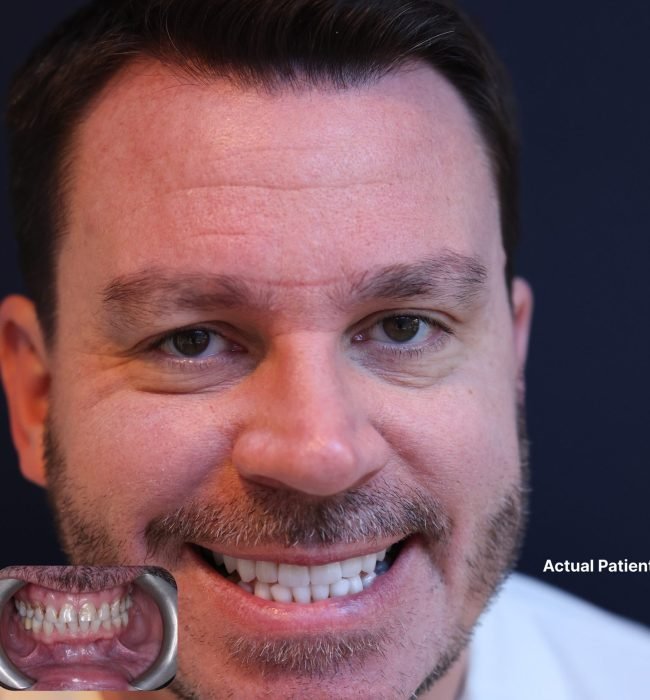
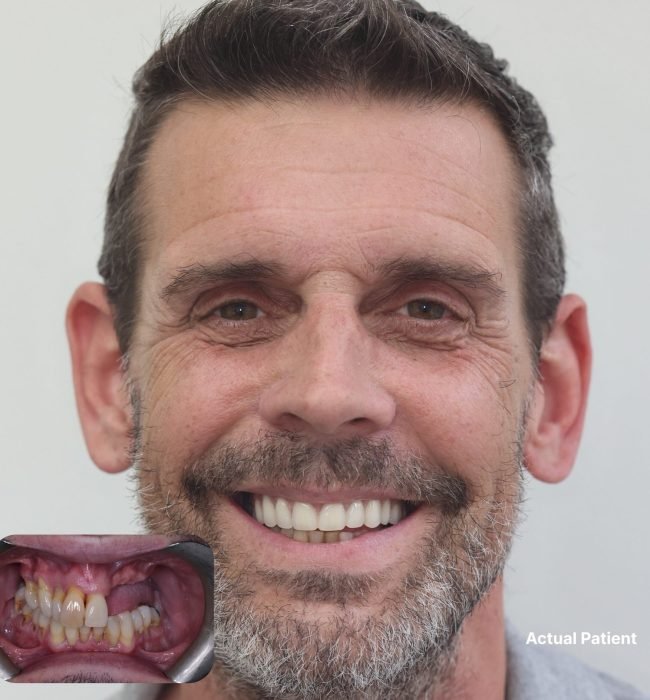
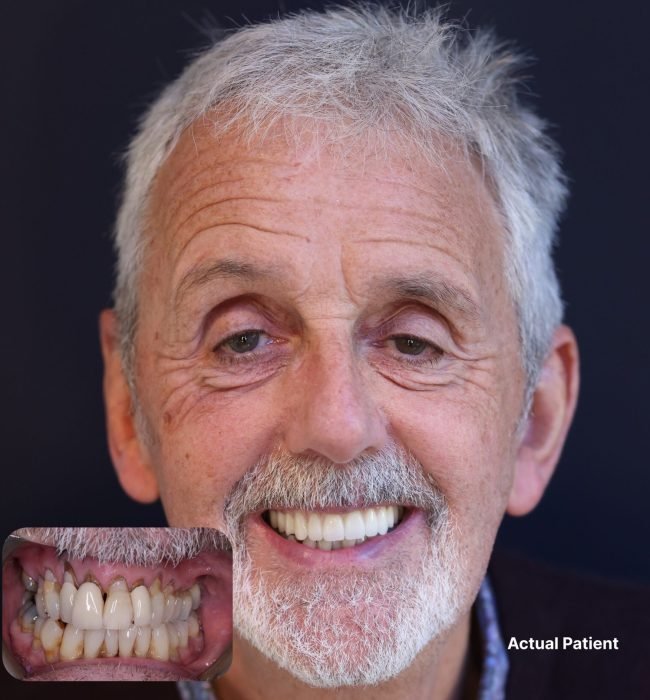
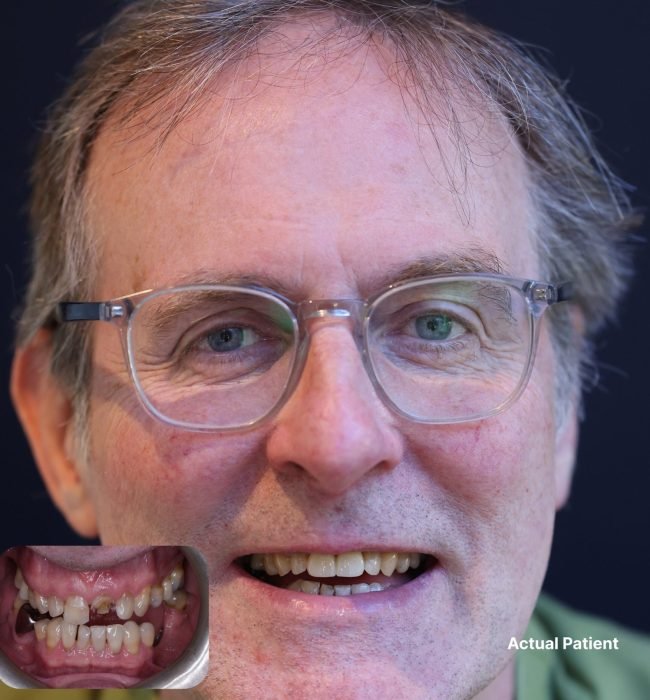
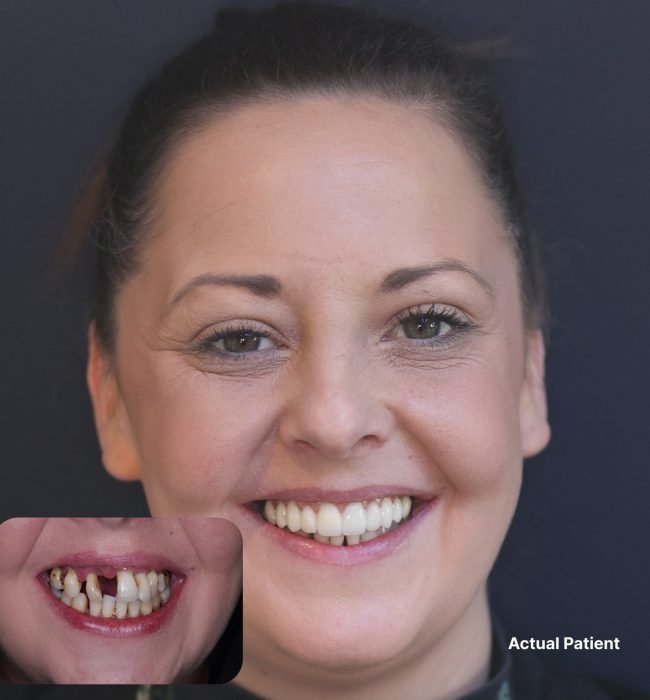
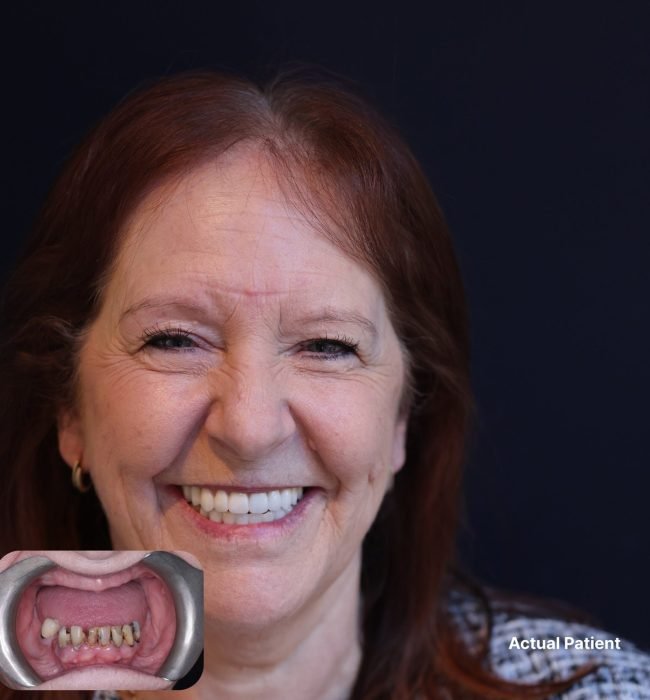
Be our Next Success Story!
All photographs show patients treated at Croft Dental and are published with their consent. Results shown are individual results.
Your treatment journey
-
1Step one: your consultationAround 45 minutes. Dr Natasja examines your teeth and gums, checks your bite, and asks what specifically bothers you. Photographs and digital scans are taken.
She will tell you honestly whether bonding is the right answer, or whether something else would serve you better. -
2Step two: planning and designFor cases involving several teeth, the intended result is designed before treatment begins. You see what is being proposed and can adjust it.
For a single chip this is usually a straightforward conversation rather than a full design process. -
3Step three: your written planNumber of teeth, cost per tooth, total cost, appointment time required and finance options if you want them. Nothing proceeds until you have agreed.
-
4Step four: any preparatory treatmentDecay, gum disease and bite problems are resolved first. If whitening forms part of the plan, it is completed before bonding so the resin shade matches your final tooth colour.
-
5Step five: the bonding appointmentThe tooth surface is cleaned and lightly etched to help the resin grip. In most cases nothing is drilled and no injection is needed.
Composite is applied in layers, shaped by hand while soft, and hardened with a curing light. Once set, it is trimmed, contoured and polished until it matches the surrounding teeth.
Time depends on how many teeth are involved. A single chip might take thirty to forty five minutes. Six front teeth typically take two to three hours, so it is worth allowing the time. -
6Step six: bite check and refinementYour bite is checked and adjusted so the bonding is not taking excessive force. Final polishing brings up the surface finish.
-
7Step seven: aftercareWe will explain how to look after it, which is covered in detail below. A review appointment follows shortly afterwards.
How long composite bonding lasts
Composite bonding typically lasts five to seven years before it needs refreshing or replacing.
We would rather tell you that now than have you find out in year four. Bonding is not permanent, and any practice presenting it as a lifetime solution is not being straight with you.
What shortens its lifespan:
- Grinding or clenching, which chips or fractures the bonded edges over time
- Habits including biting nails, chewing pens and opening packaging with your teeth
- Smoking, which stains composite considerably faster than natural enamel
- Diet, particularly regular coffee, tea, red wine and curry
- Inconsistent cleaning, which allows staining to accumulate at the margins
Looking after it
Brush twice daily and clean between the teeth as normal. Rinse with water after dark drinks. Attend regular hygiene appointments, since professional polishing keeps composite looking fresh and makes a noticeable difference. If you grind your teeth, wear the nightguard.
Maintenance and replacement
Bonding can be polished to restore its finish, repaired quickly if it chips, and eventually replaced when it has served its time. Replacement is straightforward because your natural tooth underneath is intact.
Compared with porcelain veneers
Porcelain typically lasts ten to fifteen years or longer and resists staining far better. It costs considerably more and permanently alters the tooth. Which is right for you depends on your budget, your priorities and how you feel about irreversibility.
Pricing and fees
Treatment | From |
Consultation | Free |
Composite bonding, per tooth | £325 |
Composite bonding, four front teeth | £[X] |
Composite bonding, six front teeth | £[X] |
Composite edge bonding, per tooth | £[X] |
Repair or polish of existing bonding | £[X] |
Nightguard, where recommended | £[X] |
Bonding is priced per tooth, so the total depends on how many teeth are treated. Most patients treat either the front four or the front six.
You will receive a written quote before anything begins.
Where to find us
Croft Dental sits at 64 Manchester Road, on the Handforth side of Wilmslow town centre. Coming up from The Carrs, we are north east along Manchester Road. If you reach Handforth Dean, you have gone too far.
We are around ten minutes on foot from Wilmslow station, five minutes from Handforth, and roughly ten minutes from Alderley Edge up the A34.
Patients come to us for composite bonding from Alderley Edge, Handforth, Styal, Prestbury, Knutsford, Macclesfield, Poynton, Mobberley, Nether Alderley, Chelford, Bramhall, Cheadle, Timperley, Hale and Altrincham.
Because bonding is usually completed in a single visit, it suits patients travelling a distance particularly well. Most people are in and out in one appointment.
Not sure where to start? Give us a ring.
Make an Enquiry
- DENTIST
Meet your cosmetic dentist
Dr Natasja Kashyap
BDS · MSc Fixed and Removable Prosthodontics · MFDS RCS Edinburgh · Platinum Invisalign Provider · GDC 150054
Dr Natasja leads cosmetic dentistry at Croft Dental. Her postgraduate training in Prosthodontics focuses on how restorations are designed, constructed and fitted so they function as well as they look.
That matters more with bonding than people realise. Bonding is freehand sculpture, but it is sculpture that then has to survive a bite for years, and both halves need to be right.
Her approach is deliberately understated. She designs results that suit your face, age and natural tooth shade rather than defaulting to uniform brightness, so the outcome reads as a healthy smile rather than obvious dental work.
Bonding done badly looks thick, opaque and artificial. Done well it is undetectable, and the difference lies in the layering, the contouring and the shade matching.
- Finance
Spread the cost of composite bonding with finance
We offer finance on cosmetic treatment through Tabeo so the cost can be spread across monthly payments. Interest-free options are available with no arrangement fees or hidden charges.
Applications take a few minutes and you will know the outcome quickly. We will show you exactly what your treatment would cost per month at your consultation.
- REGISTRATION
We're Welcoming New Patients
We warmly welcome new patients to our practice. If it’s been a while since your last visit, if dental visits make you feel anxious, if you’ve recently moved to Wilmslow, or if you’re simply seeking a team that truly listens to your concerns, you’ll find a supportive and gentle environment here with us.
During your first appointment, we take the time to conduct a complete evaluation of your teeth, gums, and overall oral health. We will listen carefully to your goals, answer any questions, and collaboratively create a treatment plan tailored specifically to you.
"I have my smile back thanks to the skill of the team here. All in all, a very happy patient."
★★★★★ - Sarah F. | Croft Dental & Implant Clinic
- FAQs
Frequently asked questions
Composite bonding at Croft Dental starts from £325 per tooth. The total depends on how many teeth are treated, and most patients treat either the front four or the front six. Patients receive a written quote following consultation, and finance is available through Tabeo for cases over the finance threshold.
Composite bonding typically lasts five to seven years before it needs refreshing or replacing. Longevity depends on habits including grinding, smoking, nail biting and consumption of staining foods and drinks. Bonding can be polished to restore its appearance, repaired if it chips, and replaced when needed, since the natural tooth underneath remains intact.
In most cases composite bonding does not damage the tooth, because no drilling is required. The tooth surface is lightly etched to help the resin adhere, but the underlying tooth structure is left intact. This makes bonding reversible, unlike porcelain veneers, which require permanent preparation of the tooth surface.
Composite bonding is generally painless and most cases require no anaesthetic, since the tooth is not drilled. Patients typically feel nothing beyond the sensation of the dentist working on the tooth surface. Where a small amount of reshaping is needed, local anaesthetic can be given.
No. Composite resin does not respond to teeth whitening gel, so bonding will not lighten with whitening treatment. Whitening should always be completed before bonding is placed, so the composite can be matched to the final tooth shade. Existing bonding can be polished to remove surface staining, or replaced to match newly whitened teeth.
Composite bonding and veneers suit different situations. Bonding is cheaper, faster, usually requires no drilling and is reversible, but typically lasts five to seven years and stains more readily. Porcelain veneers cost more and permanently alter the tooth surface, but last ten to fifteen years or longer and resist staining far better. The right choice depends on the extent of change required, budget, and how the patient feels about irreversibility.
Most patients treat either the front four or front six upper teeth, since these are the teeth visible when smiling. Some cases require only a single tooth, for example where one tooth is chipped. Treating an appropriate number of adjacent teeth generally produces a more balanced result than treating one in isolation, particularly where shade or shape differs noticeably.
A single chipped tooth typically takes thirty to forty five minutes. Treating the front four teeth usually takes between one and two hours, and the front six between two and three hours. Bonding is carried out in one appointment in most cases, with a short review appointment afterwards.